

Kozhikodan Halwa, the quintessential sweet which originated in Kozhikode, in God’s Own Country - Kerala, is so famous that it has become synonymous to the place itself. It’s undoubtedly one of the most popular sweets around, carries a long-lasting legacy of being the “King of Sweets” especially in Kozhikode.
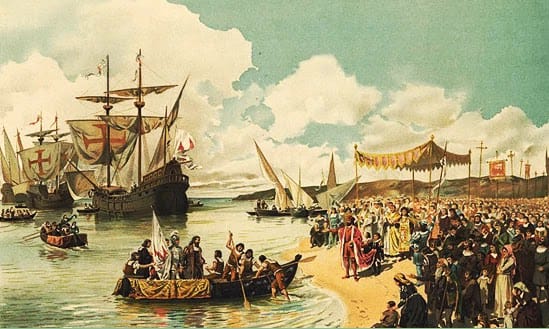
Halwas do have significant Arabic influence. The word “Halwa” itself was derived from “Hulw” an Arabic word meaning “sweet”.
Kozhikode, a citadel of Halwas, is also known for its vibrant beaches, unique cultures, along with many traditional and lip-smacking cuisines.
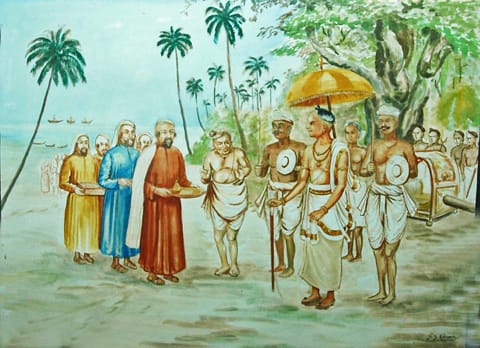
The origin of this delicious sweet can be traced back to centuries, in the 16th century when Arab settlers arrived in Kerala for the trade of spices. The Arabs made the Halwa and gifted a part of it to then Zamorin (ruler) of Kozhikode, who in no time embedded it in Kozhikode’s culinary table in a unique way. Rest as we all know is history!
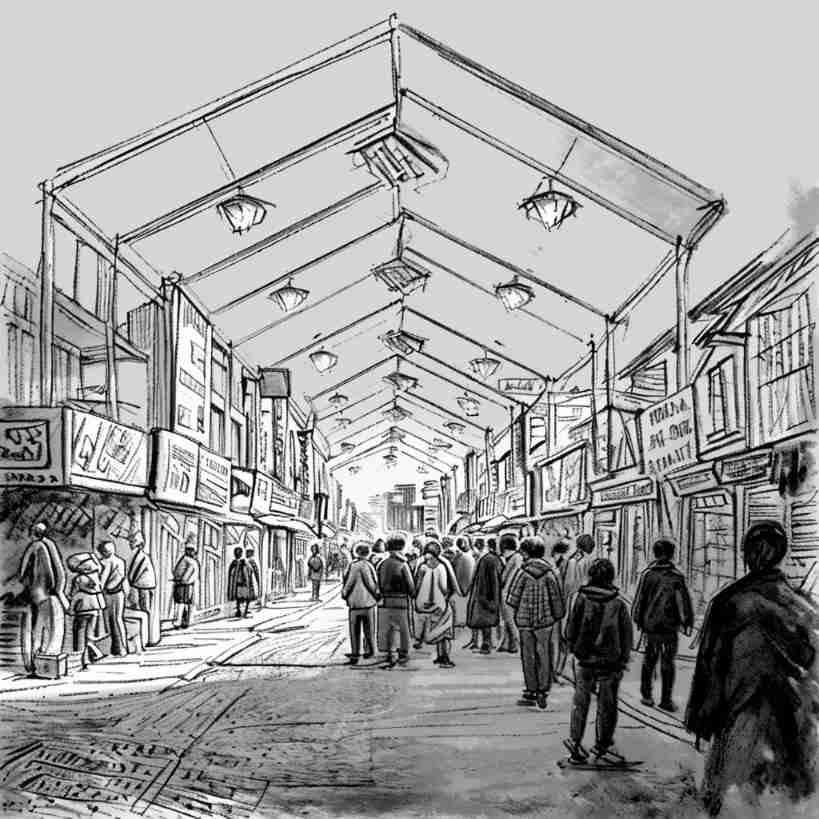
During colonial rule, the British & Portuguese settlers who were in Kozhikode for trading too have a key role in promoting Halwas. As this sweet regained popularity, they named the Kozhikodan Halwa as “Sweet Meat” due to its typical, rubbery texture. Since then, a street in Kozhikode where halwas were sold has been named “Sweet Meat Street or simply S.M Street, which later became Kozhikode’s primary commercial hub.